
Autism Services
Autism Diagnosis and Testing
At ABA Centers of Rhode Island, we offer autism services designed to support children, teens, and families during every stage of care. Our services include autism diagnosis and individualized ABA therapy, delivered through evidence-based practices and compassionate clinical support throughout Rhode Island.
Autism presents differently for every individual on the spectrum. That’s why our team designs personalized services that help them build meaningful skills, independence, and long-term growth.
Autism Diagnosis and Testing
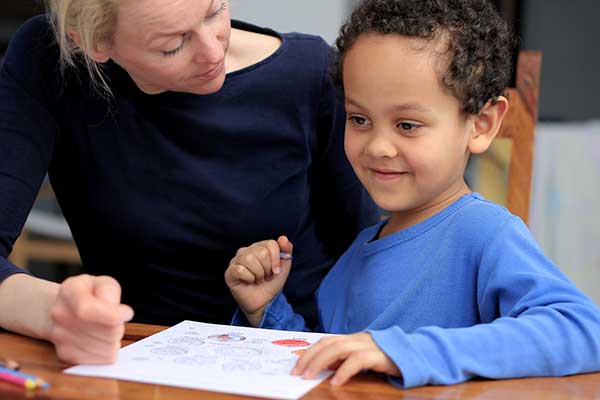
Beginning ABA therapy requires a formal autism diagnosis from a qualified professional. Unfortunately, many families in Rhode Island face delays that can slow access to early intervention and autism support.
Our professionals conduct comprehensive autism evaluations and guide families through the process with clarity and care. By streamlining evaluations, we help families move forward without unnecessary waiting.
Early Autism Intervention
Early intervention supports development during important stages of growth. Research shows that children who receive early support often strengthen communication, social engagement, and learning skills significantly.
At ABA Centers of Rhode Island, our early intervention services are designed to identify needs as soon as possible and provide structured, evidence-based support during these important years of growth.


Child ABA Therapy
Our child ABA therapy supports children from two to twelve years old. Our BCBAs and RBTs focus on building communication, social, and daily living skills.
Sessions are individualized and engaging, helping children grow while honoring their unique strengths and needs.
Teen ABA Therapy
As children grow, their needs and goals evolve. Our teen ABA therapy programs support adolescents with autism as they develop independence, emotional regulation, and practical life skills.
We work closely with teens and their families to support them as they prepare for future academic, social, and life transitions.

In-Home ABA Therapy
Our in-home ABA therapy allows children to receive care in a familiar and comfortable environment. Our RBTs work within daily routines to support skill development that carries into everyday life.
This approach offers flexible scheduling while actively involving families in the therapy journey.
In-School ABA Therapy
Our in-school ABA therapy services support students with autism during the school day. We collaborate with families and educators to help students build communication skills, improve classroom participation, and develop positive behaviors.
Providing support in school allows students to practice skills in real academic and social settings.

Get a Complimentary Consultation
If you’re exploring autism services or considering ABA therapy, our team is here to help. Contact ABA Centers of Rhode Island at (855) 922-4184 to schedule a free consultation and speak with our experienced ABA professionals about next steps.
Autism Services FAQs
How do families access autism services in Rhode Island?
Families can contact ABA Centers of Rhode Island to schedule a consultation. Our team helps explain the process, review insurance coverage, and outline next steps.
Is a diagnosis required before starting autism services?
Ongoing ABA therapy typically requires a formal autism diagnosis. Families who have concerns can begin with an evaluation through our in-house diagnostic process with our certified professionals to better understand appropriate options.
How do families know which autism services are right for their child?
Choosing services starts with understanding a child’s strengths, challenges, and developmental needs. Evaluations and ongoing communication help determine which services may be most supportive for each individual.
Where do autism services take place?
Services may be provided at home, school, or other structured settings, depending on what best supports the child and family. Families can even receive services in more than one setting to help children practice skills in different situations and encourage consistency between therapy and everyday life. All this depends on what your child needs.