

Step-by-Step Guide to Creating Autism-Friendly Holidays
Here are concrete, actionable steps to help you design a holiday experience that respects your child’s needs, honors your family’s values, and gives everyone a reason to smile.
- Start with Expectations & Visual Supports
Before the big day arrives, set the scene. Talk with your child or teen about what to expect: who will be there, what time the meal will happen, and what activities might come up afterwards.
If you already have an ABA therapy routine or visual schedule, integrate the holiday plan into it. Use visuals, calendars, photo cards of the gathering place or people, and simple “then/now” flowcharts. Routine and graphics lend clarity and comfort.
- Preserve Key Holiday Traditions That Work for Your Family
Select one to three traditions that bring warmth and fit your family, and adapt them if you need. For example:
- Gathering around the table and sharing one thing each person is thankful for. If verbal sharing is tough, let each person pick a drawing or symbol instead.
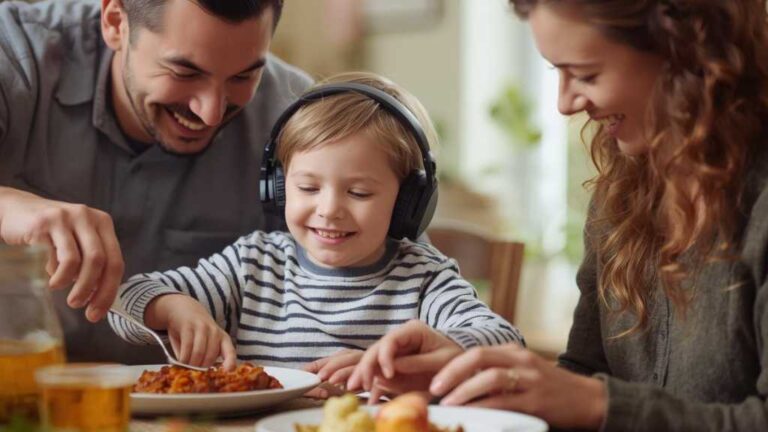
- Baking a familiar dish together while wearing noise-reducing headphones and playing calm music.
- After the meal, take a quiet break, like a slow walk outside or watch a short favorite show.
We recommend choosing traditions tied to comfort and inclusion that reinforce the concept of autism-friendly holidays and avoid the trap of doing things “just because.”
- Create a Sensory-Safe “Retreat Zone”
One non-negotiable part of autism-friendly holidays is a place for your child to step away when things feel too much.
As Autism Speaks recommends to ensure autism-friendly holidays, designate a corner or room with soft lighting, minimal noise, favorite comfort items (weighted blanket, fidget toy), and a clear signal that “taking a break is okay.”
- Modify Mealtime and Food Traditions
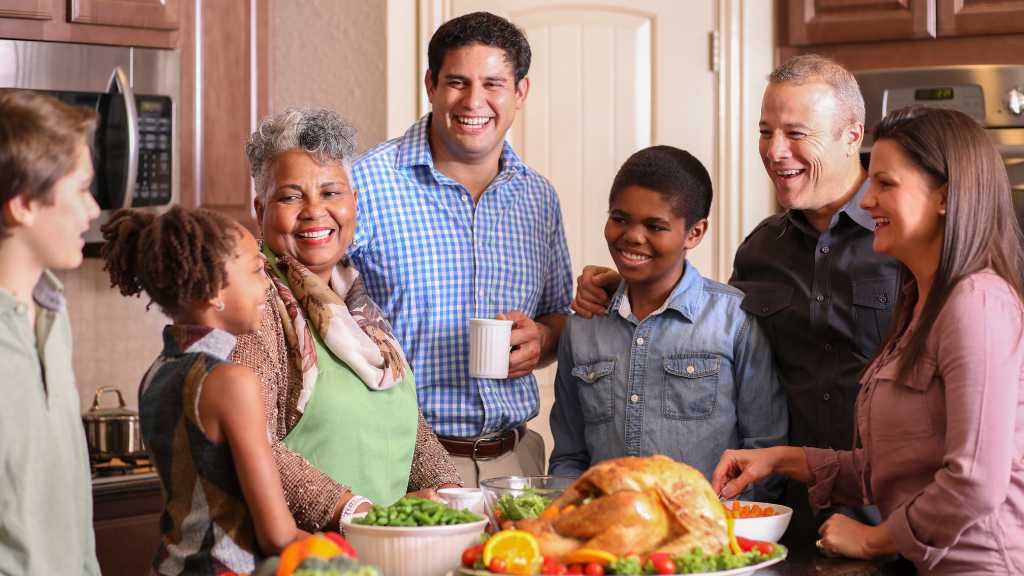
Since autism and Thanksgiving can present challenges around the big meal, preparation here is key. Consider:
- Offering one familiar “safe” dish plus one new one.
- Allowing your child to help with a simple part of the meal (e.g., arranging napkins, choosing a table decoration).
- Setting up their place at the table earlier or separately so they can transition gradually.
- Using fidget tools, headphones, or having a “quiet exit plan” if noise or smells become too intrusive.
- Introduce New Holiday Traditions — with a Twist
Here are some original, autism-friendly ideas that highlight creativity, emotional connection, and genuine inclusion for children and teens on the spectrum, avoiding overstimulation while building beautiful memories:
- Create Your Own Gratitude Movie: Let your child record a short video about what they’re thankful for, then watch it together. It uses technology they enjoy and becomes a yearly keepsake.
- Sensory-Friendly Scavenger Hunt: A calm search for quiet or tactile items (“find the red leaf,” “find the soft pillow”). Simple, engaging, and adjustable for all ages.
- Holiday Calm Playlist: Let your teen pick three songs before the holiday. Play them during prep or cleanup, and it becomes a predictable, soothing ritual.
- Thanksgiving Reflection Jar: Each family member writes or draws something they enjoyed or were proud of, placing it in a decorated jar to revisit next year.
- Seasonal Volunteer Ritual: Choose a small, quiet way to give back, like delivering cards or helping decorate a community space. These types of holiday traditions foster empathy and shared purposes.
- Leverage Support Through ABA Therapy & Early Intervention
When planning for autism-friendly holidays, don’t overlook the value of professional support.
If your child receives Applied Behavior Analysis (ABA) therapy, the skills they’re developing: communication, flexibility, and emotional regulation, are essential for managing the holiday season. ABA therapy helps:
- Improve communication to express needs and preferences
- Encourage flexibility for schedule changes and surprises
- Develop coping skills for sensory environments and social interactions
By aligning your holiday plan with the strategies your child learns in therapy, you bridge home and professional supports. Early intervention, especially for younger children, establishes a solid foundation that makes transitions like holiday gatherings smoother over time.
- Communicate With Your Support Network
As you prepare for holidays with autism, let friends and family know about your child’s needs and the accommodations you’re planning.
Ask guests to:
- Speak calmly and avoid sudden loud noises
- Respect if your child needs space or chooses not to engage
- Support predictable transitions (like announcing mealtime ahead)
Proactive communication fosters empathy and understanding, creating truly autism-friendly holidays.
- Decide What to Let Go and What to Prioritize
Part of planning autism-friendly holidays is recognizing that not everything needs to happen. Some traditions may not work for your child, and that’s okay.
As Whole School Psychology notes, “It’s not about doing it all, it’s about finding what brings your child comfort and connection.”
You might skip a loud parade or a large dinner this year. Prioritize calm, connection, and shared joy.
Making Every Holiday a Positive Experience