
Table of Contents
What does Autistic Barbie get right about autism representation?
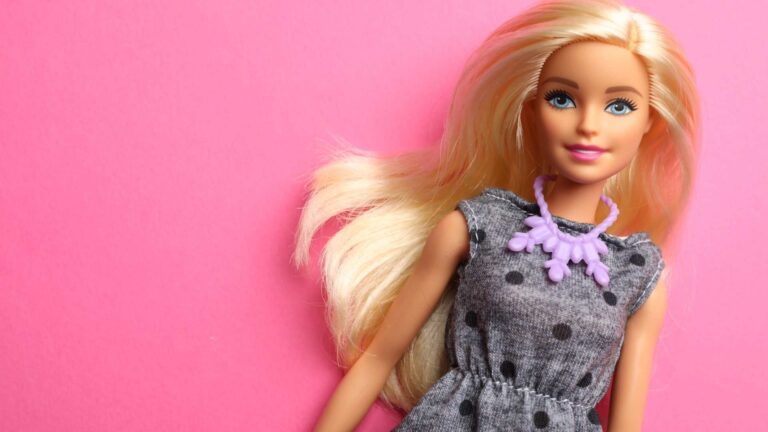
Autistic Barbie has sparked many conversations online, in living rooms, classrooms, and therapy spaces across the country. For families raising children with autism, toys are never “just toys.” They’re mirrors, teaching tools, and sometimes the first place a child feels truly seen.
When Mattel introduced Autistic Barbie, many parents felt a mix of hope, curiosity, and cautious optimism. Could a doll really reflect the lived experiences of people with autism? Could it help children understand differences with empathy instead of fear? And most importantly, could it support autism awareness in a way that feels genuine rather than performative?
For families in Rhode Island and beyond, this moment represents more than a product launch. Keep reading this blog by ABA Centers of Rhode Island and discover how this new autistic Barbie reflects a broader shift toward meaningful autism representation in toys, early learning, and supportive interventions that help children grow with confidence and independence.
What Is Autistic Barbie?
Autistic Barbie is part of Mattel’s inclusive Barbie Fashionistas collection, designed in collaboration with autism advocates and specialists. According to Mattel’s official announcement, they created this doll intentionally to reflect real-world experiences many people with autism encounter, without suggesting that one story defines everyone on the spectrum.
Rather than focusing on labels, Autistic Barbie introduces children to developmental differences through play. Her design includes thoughtful features that many families recognize instantly:
- Noise-canceling headphones to support sensory regulation
- A small fidget toy for calming and focus
- Sensory-considerate clothing designed for comfort
- An AAC device to reflect alternative communication methods
- A sunflower necklace, widely recognized as a symbol of hidden disabilities
It’s crucial we consider that these features alone don’t define autism. They reflect standard tools and experiences that support daily life for many people with autism.
As The Guardian reported, the goal was never perfection, but visibility — making autism part of everyday play rather than something separate or misunderstood.
Why Autism Representation in Toys Matters More Than Ever
Children learn who they are — and who others can be — through play. Long before formal education about diversity, inclusive toys quietly shape expectations, beliefs, and empathy.
That’s why autism representation in toys matters so deeply. When children with autism see characters that reflect their lived experiences, it reinforces belonging. When children without autism encounter those differences early, curiosity and understanding replace fear.
Research consistently shows that early exposure to inclusive representations supports emotional understanding and reduces stigma later in life. They also emphasize that representation influences identity development, self-esteem, and social connection.
The new Autistic Barbie contributes to autism awareness by normalizing tools like AAC devices and sensory supports, not as limitations, but as everyday parts of life for people with autism.
How Families Are Responding to Autistic Barbie
Coverage from national media outlets and statements from advocacy organizations suggest that many families view Autistic Barbie as a meaningful step toward greater inclusion.
In conversations with our ABA community, some parents had emotional responses to the doll. Others describe their child recognizing themselves in a toy for the first time.
Many appreciate how the doll opens conversations about sensory needs, communication differences, and emotional regulation without feeling clinical.
In addition, parents of neurotypical children often notice something equally powerful: their kids don’t see Autistic Barbie as “other.” She’s just another Barbie, one with cool accessories and a unique story.
Still, thoughtful concerns exist. Autism is a broad spectrum, and no single doll can reflect every experience. Some caregivers worry about oversimplification or about children with higher support needs feeling left out.
These perspectives are valid and necessary. Representation should evolve, and Autistic Barbie isn’t a conclusion; she’s a starting point.
How Children Are Responding Through Play
Perhaps the most telling reactions come from children themselves.
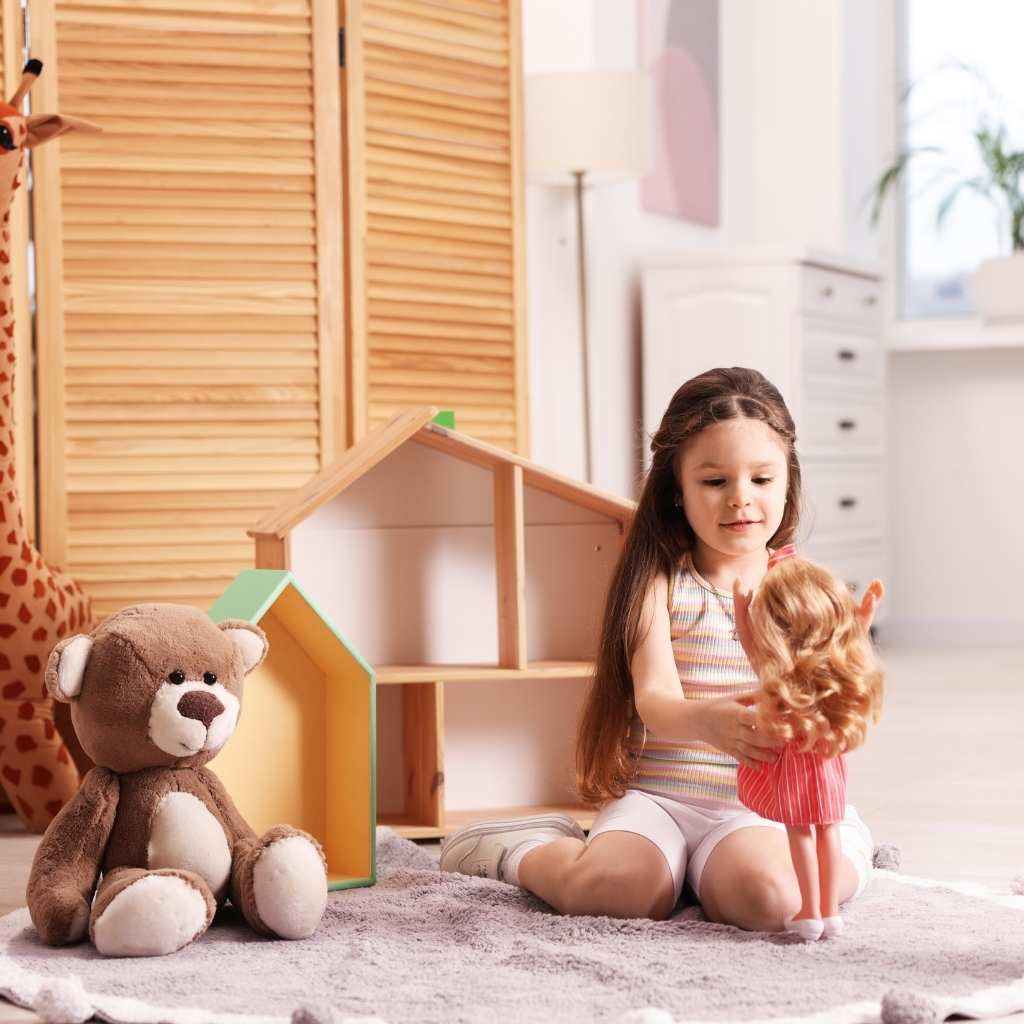
Kids don’t debate accuracy or symbolism. They create stories. They include Autistic Barbie in adventures, friendships, and imaginative worlds just like any other doll.
This kind of organic inclusion is exactly how autism awareness grows: not through lectures, but through shared experiences. Play allows understanding to form naturally, without pressure or judgment.
Studies on inclusive play highlight its role in developing empathy, emotional flexibility, and social understanding in early childhood.
Perspectives From the Autism Community
The autism community is not monolithic, and reactions to Autistic Barbie reflect that diversity.
Advocacy groups praise the doll for highlighting sensory tools that are often misunderstood or stigmatized. Others emphasize the importance of expanding representation over time, showcasing different communication styles, support needs, and cultural backgrounds.
What unites these perspectives is a shared belief: visibility matters, but it must be paired with education, support, and meaningful action.
Autistic Barbie contributes to that larger conversation about inclusion, identity, and respect.
Why Inclusive Play Supports Healthy Development
Inclusive play supports more than imagination. It helps children develop essential life skills, including:
- Emotional awareness and empathy
- Social communication
- Problem-solving and flexibility
- Confidence in navigating differences
When children grow up surrounded by diverse representations, inclusion becomes instinctive rather than forced.
This same philosophy guides practical therapeutic approaches for children with autism.
The Role of Play in ABA Therapy
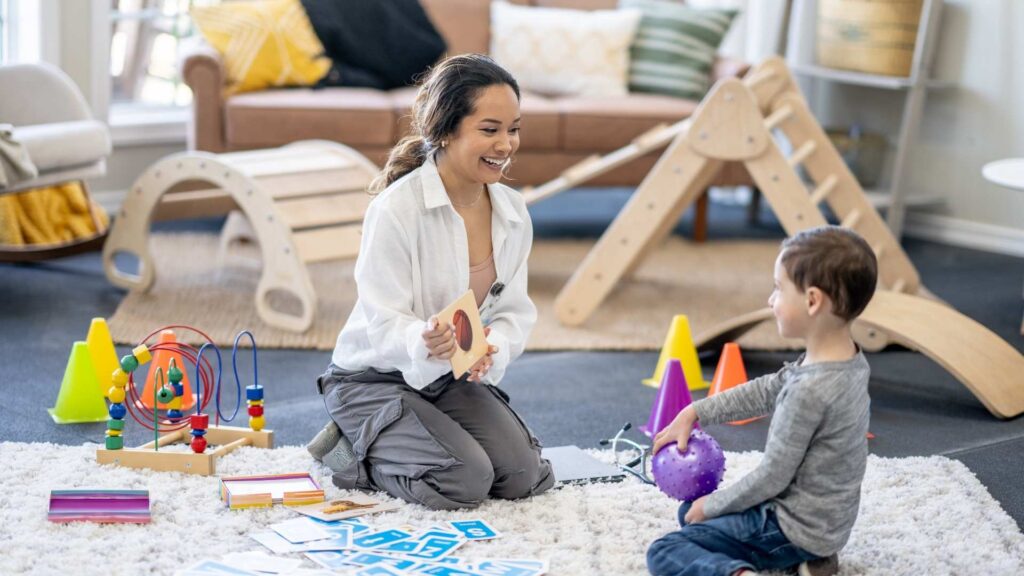
Play is a cornerstone of Applied Behavior Analysis (ABA) therapy, especially when delivered through play-based models. Play-Based ABA Therapy uses a child’s interests to build communication, social skills, and independence in ways that feel natural and motivating.
Through play-based ABA therapy, children learn to:
- Communicate needs and ideas effectively
- Engage socially with peers and adults
- Regulate emotions during challenging moments
- Build confidence in everyday routines
Play isn’t a break from learning; it’s one of the most potent ways learning happens.
Early intervention is especially impactful. When children with autism start ABA therapy early, it supports long-term development, helping them gain skills that promote independence and quality of life as they grow.
How ABA Centers of Rhode Island Supports Children with Autism
At ABA Centers of Rhode Island, we believe every child deserves support that honors who they are while helping them thrive.
Our individualized ABA therapy programs focus on strengths reminder: supporting communication, social development, emotional regulation, and independence — all within compassionate, play-based environments.
Whether a child connects through imaginative play, toys like Autistic Barbie, games, or hands-on activities, our expert ABA providers use those interests to create meaningful learning opportunities. We emphasize early intervention because timely support can make a lasting difference.
Inclusive representation in toys and individualized ABA therapy work together. Both send the same message: children with autism are capable, valued, and worthy of understanding.
If you’re looking for evidence-based, compassionate ABA therapy in Rhode Island, we’re here to help.
Learn more or schedule a consultation with ABA Centers of Rhode Island today by clicking here or calling us at (855) 922-4184 and discover how personalized support can help your child grow with confidence and independence.