Autism Daily Living Skills: Teaching Handwashing to a Child with Autism

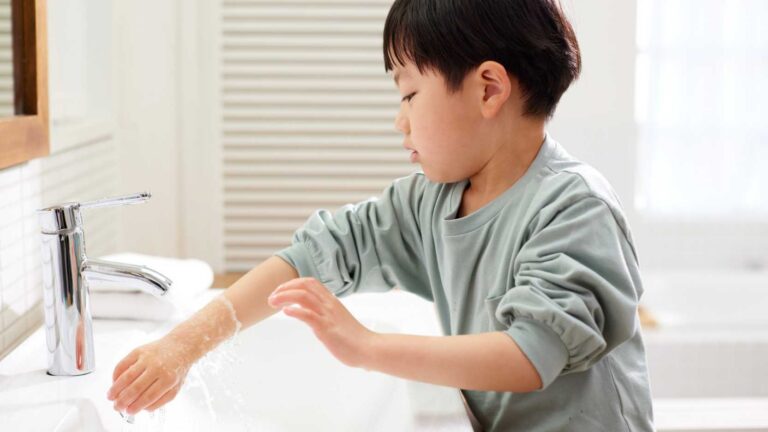
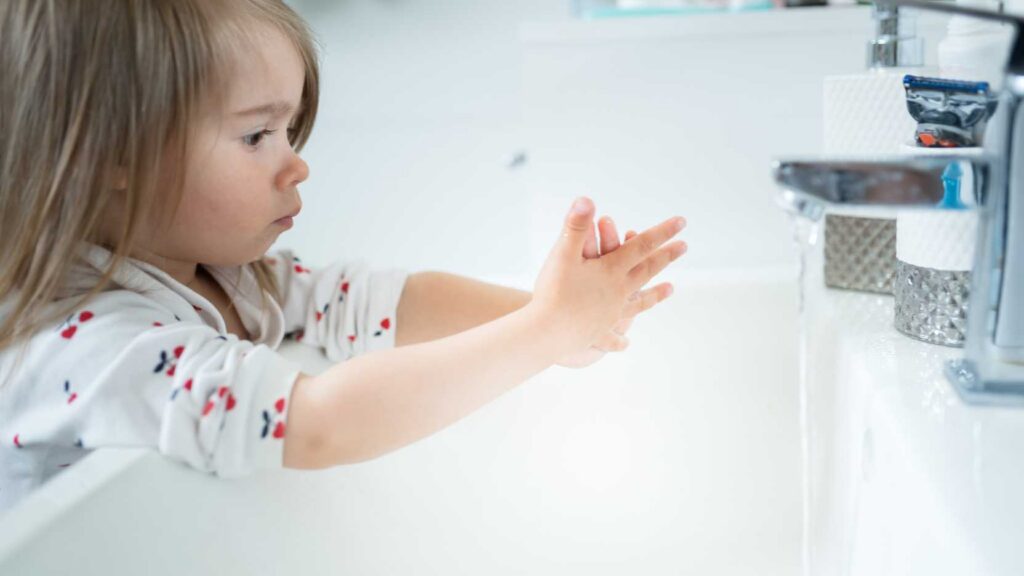
Teaching handwashing to a child with autism using a structured routine at the sink

Table of Contents

How to teach my child with autism to wash hands independently?

You just came home from the playground. Shoes come off, backpacks drop on the floor, and you gently guide your child toward the sink.

“Let’s wash our hands.”

Suddenly, everything falls apart.

Your child pulls away from the sink, cries when the faucet turns on, or refuses to touch the soap. What seems like a simple hygiene step can quickly become overwhelming.

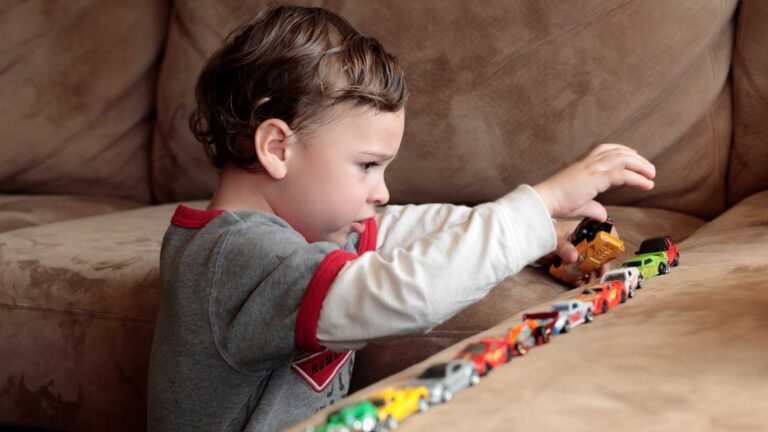
Many parents assume this reaction is defiance or resistance. But for many children with autism, daily living skills can reflect sensory overload, difficulty processing multi-step instructions, or resistance to following established routines.

For families navigating autism daily living skills, handwashing is often one of the first self-care routines that requires structured teaching and patience.

Learning to wash hands independently is not just about hygiene. It supports maintaining personal hygiene, building independence, preventing diseases, and strengthening confidence in everyday routines.

So, how do I teach my child with autism to wash hands independently?

Teaching a child with autism to wash hands independently involves breaking the routine into small steps, using visual supports or modeling, and practicing consistently in a calm environment. Structured approaches such as Applied Behavior Analysis (ABA), video modeling, and step-by-step prompting help children build autism daily living skills like handwashing through repetition and positive reinforcement.

So, keep reading to learn more about teaching autism daily living skills to your kiddo!

Why Autism Daily Living Skills Like Handwashing Can Be Challenging

Many everyday routines depend on skills that most children develop naturally. For children with autism, however, these routines often require explicit teaching.

Research by Clinical Child and Family Psychology Review shows that daily living tasks rely on sequencing, sensory processing, and comprehension of instructions—areas where  children on the autism spectrum frequently experience challenges.

A routine like handwashing involves multiple steps:

  • Turning on the faucet
  • Adjusting water temperature
  • Wetting hands
  • Using soap
  • Scrubbing for enough time
  • Rinsing and drying

To an adult, the sequence feels automatic. To a child with autism, it can feel confusing or overwhelming.

Studies by the Journal of Autism and Developmental Disorders highlight that many children with autism experience difficulty processing and understanding instructions, particularly when tasks involve several steps or sensory elements.

Even the sensory experience of the sink can cause distress:

  • Loud water sounds
  • Slippery soap textures
  • Bright bathroom lights
  • Unexpected splashing

These factors can trigger resistance to following established routines, even when the child understands that handwashing is expected.

The challenge is not willingness. It is how the brain processes the task.

Autism Daily Living Skills and the Importance of Hygiene Routines

Child brushing teeth demonstrating autism daily living skills and hygiene routines

Learning autism daily living skills, such as handwashing, plays a significant role in long-term independence.

Research by The Journal of the American Academy of Child and Adolescent Psychiatry exploring adaptive skill development in autism shows that personal hygiene routines strongly predict future independence and community participation.

When children gain confidence in everyday routines like handwashing, they also begin to master other tasks:

  • Brushing teeth
  • Dressing independently
  • Using the bathroom
  • Cleaning up after meals

Each success builds the foundation for greater autonomy.

Structured teaching methods have also shown strong outcomes. A multi-context case study examining hygiene instruction for children with ASD found that structured teaching significantly improved independence in hygiene routines when skills were broken into clear, repeatable steps. 

This approach works especially well when parents focus on one routine at a time.

For many families, that routine begins with handwashing.

Teaching Handwashing to a Child with Autism
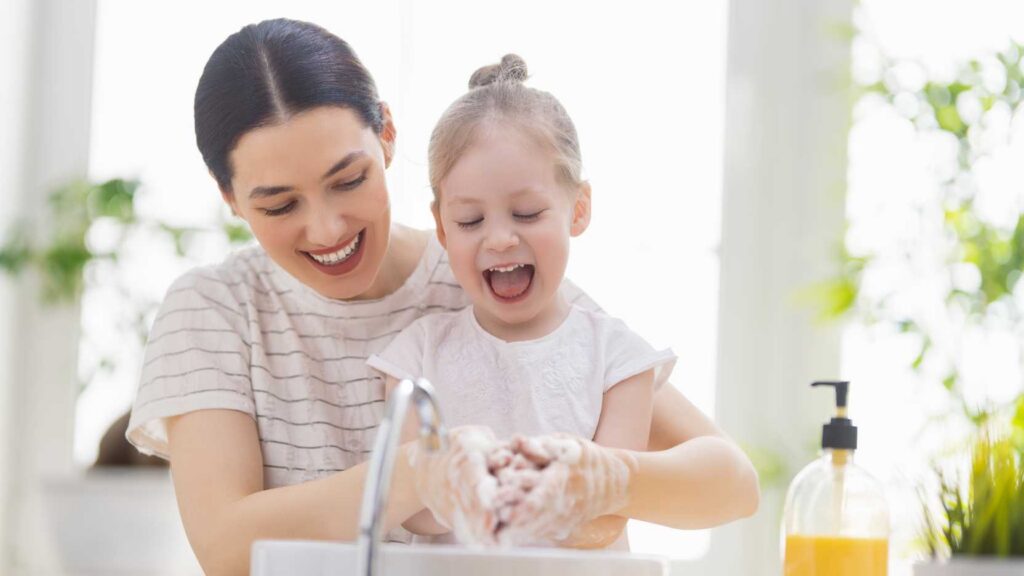
When parents start teaching handwashing to a child with autism, success often depends on structure, repetition, and visual learning.

Parent teaching handwashing to a child with autism using guided support and ABA strategies

Children with autism frequently learn best through clear visual cues and predictable sequences rather than verbal instructions alone.

Instead of saying “Go wash your hands,” parents can teach the routine step by step.

Break the Routine into Small Steps

Breaking tasks into small components helps children build autism daily living skills gradually.

A simple handwashing sequence may look like this:

  1. Turn on the water
  2. Wet hands
  3. Pump soap
  4. Scrub hands
  5. Rinse hands
  6. Turn off the water
  7. Dry hands

Behavioral researchers call this task analysis, a method widely used in ABA therapy to teach multi-step skills.

Children learn each step individually before combining them into the full routine.

Use Visual Supports

Visual supports help children understand what happens next.

For a handwashing routine for autistic children, visual tools might include:

  • Picture cards near the sink
  • Step-by-step charts
  • Illustrated hygiene routines

These supports reduce confusion and help children process instructions at their own pace.

Visual schedules allow children with developmental disabilities to see the sequence of actions, which lowers anxiety and improves independence.

Visual supports also reinforce autism daily living skills because they remain available even when adults are not prompting the child.

Handwashing Routine for Autistic Children Using Video Modeling

Some children learn routines faster when they watch someone else perform the task.

Video modeling has shown strong outcomes when teaching handwashing to a child with autism.

Research by the Journal of Behavior and Analysis and Support examined the use of video prompting combined with step-by-step prompts found significant improvement in independent handwashing performance among children with autism.

A video model typically shows:

  • A child walking to the sink
  • Turning on the water
  • Scrubbing hands for the correct amount of time
  • Drying hands afterward

Children can watch the video repeatedly before trying the routine themselves.

This method helps because many children with autism process visual demonstrations more easily than spoken directions.

When combined with consistent practice, video modeling can strengthen autism daily living skills like handwashing much faster.

How ABA Therapy Supports Autism Daily Living Skills

Child learning independence through autism daily living skills like tying shoes

Applied Behavior Analysis (ABA) focuses on teaching meaningful skills through structured learning, reinforcement, and repetition.

Many ABA programs prioritize autism daily living skills because these routines help children become more independent in everyday life.

ABA therapists often teach handwashing using several strategies:

Task Analysis

Therapists divide the routine into manageable steps and teach each one separately.

Prompting

A therapist may guide the child using:

  • Verbal cues
  • Gestures
  • Physical guidance

Prompts gradually fade as the child becomes more confident.

Positive Reinforcement

When the child completes part of the routine, therapists immediately reinforce the effort.

Reinforcement might include:

  • Praise
  • A favorite activity
  • A small reward

Through consistent teaching, children gradually complete the entire handwashing routine for autistic children without assistance.

Helping Your Child Practice Autism Daily Living Skills at Home

Parents play an essential role in reinforcing autism daily living skills outside therapy sessions.

Simple adjustments can make practice easier:

Keep the Routine Predictable

Use the same sink, soap, and towel whenever possible. Consistency reduces anxiety.

Reduce Sensory Discomfort

If water sounds or soap textures cause distress, try:

  • Warm water instead of cold
  • Foaming soap instead of gel
  • A quieter faucet flow

Practice During Calm Moments

Avoid introducing new routines when your child already feels overwhelmed.

Practicing during calm times helps children absorb the routine more easily.

Each successful attempt builds confidence.

Over time, these moments transform a stressful task into a predictable routine.

Supporting Your Child’s Progress with ABA Centers of Rhode Island

Parents working on autism daily living skills often carry an enormous amount of responsibility.

You manage therapy appointments, school meetings, and everyday challenges—all while trying to support your child’s growth.

Progress rarely happens overnight.

Sometimes independence starts with a single step: turning on the faucet without help.

With the right strategies, routines like handwashing can become easier, more predictable, and eventually automatic.

If your child struggles with teaching handwashing to a child with autism or other autism daily living skills, professional guidance can make a meaningful difference.

The team at ABA Centers of Rhode Island provides diagnostic evaluations, early intervention programs, and personalized ABA therapy designed to support children in building everyday independence.

To learn more, call (855) 922-4184 or contact ABA Centers of Rhode Island online to explore how therapy can support your child’s daily routines and long-term development.

Connect With Us on Social

More From Our Blog

Scroll to Top