Table of Contents
What’s the Best Age to Start ABA Therapy?
Parents often wonder when to start ABA therapy. However, there is no single best age to start ABA therapy. ABA can begin once a child has been diagnosed with autism and a qualified provider recommends it, which for many children is during the toddler or preschool years. The CDC notes that a diagnosis by an experienced professional can be considered reliable by age 2.
For many families, early intervention with ABA begins soon after an autism diagnosis or when challenges with communication, play, social interaction, daily routines, or safety become clear. The early years offer valuable learning opportunities because children develop foundational skills rapidly.
Still, age alone should never determine whether a child is ready for ABA.
The best time to begin depends on the child’s strengths, needs, developmental profile, and family goals. In other words, when parents ask when to start ABA therapy, the answer is often: as early as it is clinically appropriate and meaningful for that individual child.
For Rhode Island families, understanding this distinction can make the next step feel less overwhelming. Autism therapy for young children should meet a child where they are developmentally rather than following a rigid timeline or expecting every child to begin at the same age.
Keep reading this guide from ABA Centers of Rhode Island to learn what research says about early ABA, which developmental signs may suggest it is time to seek support, what autism therapy for young children can look like, and how families can make an informed decision about when to begin.
How Soon Can ABA Start After an Autism Diagnosis?
After a diagnosis, starting ABA usually involves: verifying insurance coverage, completing an assessment with a BCBA, reviewing a treatment plan with your family, and scheduling sessions. Timing varies by insurance authorization and availability.
A 2025 narrative review of early intensive behavioral and developmental interventions found that early approaches, including ABA-based models, can support areas such as language, cognition, and adaptive functioning. The authors also noted uncertainty about the ideal intensity and duration for every child.
That distinction matters. When parents ask when to start ABA therapy, “earlier” should not mean “the same plan for everyone.” It means developmental concerns don’t necessarily need to wait when support may be useful.
Early intervention with ABA is most appropriate when it is individualized, measurable, compassionate, and connected to skills that matter in everyday life.
Why Can Early Intervention with ABA Be Valuable During Early Childhood?
Early intervention with ABA can be valuable because the early years bring rapid growth in communication, play, learning, social engagement, and independence. Therapy can use everyday learning opportunities to help a child practice skills that support participation at home, in preschool, and in the community.

The Association of Professional Behavior Analysts’ summary of current CASP guidance for comprehensive ABA treatment of young children emphasizes early access, individualized assessment, family preferences, and goals that support functioning across settings.
For families considering autism therapy for young children, the value of starting early is not simply about age. It is about recognizing needs and creating a plan while a child is developing foundational skills.
Early intervention with ABA may focus on communication, routines, play, safety, and greater independence over time.
What Does Autism Therapy for Young Children Actually Look Like?
High-quality autism therapy for young children should be developmentally appropriate, engaging, and individualized. For toddlers and preschoolers, ABA may happen through play, movement, favorite activities, snacks, songs, simple routines, and natural interactions rather than long periods of formal instruction.
A study by the Association for Behavior Analysis International found positive effects across several measured areas, including language, social and communication skills, adaptive behavior, and other developmental outcomes. The authors also highlighted research gaps and the need for stronger comparative and quality-of-life studies.
That evidence supports a practical takeaway: autism therapy for young children should focus on meaningful skills, not a one-size-fits-all checklist.
Which Skills Can ABA Target in Early Childhood?
Depending on the child, autism therapy for young children may help build skills such as:
- Communicating needs, choices, or requests
- Joining play or interacting with others
- Following routines and moving between activities
- Building daily living independence
- Developing safety skills
- Practicing flexibility and coping strategies
- Learning skills that support preschool or school readiness
Early intervention with ABA can also include caregiver collaboration so strategies fit the child’s real routines.
How Can Parents Tell It May Be Time to Begin?

Parents wondering when to start ABA therapy may notice that certain challenges are making daily life harder. Examples can include limited functional communication, difficulty with transitions, challenges participating in routines, limited play skills, safety concerns, or frequent frustration when a child cannot express what they need.
These signs do not mean every child requires the same therapy. They are reasons to ask questions and seek an individualized evaluation.
A Board-Certified Behavior Analyst, or BCBA, can assess current skills and recommend goals based on the child’s needs. This assessment can help families decide without relying on a rigid age cutoff.
For many parents, that process also clarifies how autism therapy for young children can fit alongside speech therapy, occupational therapy, preschool services, or other supports.
Does Starting Earlier Mean More Therapy Is Always Better?
No. Early intervention with ABA should not be reduced to a formula in which younger age or more hours automatically guarantee a better outcome. Treatment intensity depends on
- The scope of the program
- The child’s needs
- Clinical recommendations
- Family circumstances
- And how progress is measured
Current professional guidance distinguishes between comprehensive and focused ABA services, which may involve different levels of intensity. Research continues to examine which children benefit most from specific models and dosages.
So, when families ask when to start ABA therapy, timing is only one part of the conversation. The quality, individualization, goals, and ongoing adjustment of treatment matter too.
Likewise, autism therapy for young children should evolve as the child grows. Goals that matter at age two may look different at age four or five.
What If We Did Not Start ABA Right Away?
Families do not need to view early support as a narrow window that closes if therapy does not begin immediately. Early intervention with ABA may offer meaningful opportunities during toddlerhood and the preschool years, but children can learn and build skills well beyond those stages.
If you are still deciding when to start ABA therapy, focus on what your child needs now. A thoughtful assessment can identify current priorities and help determine whether ABA is a good fit.
For a family exploring autism therapy for young children, the next step may simply be speaking with a qualified provider and learning what an individualized plan would look like.
Where Can Rhode Island Families Find Early ABA Support?
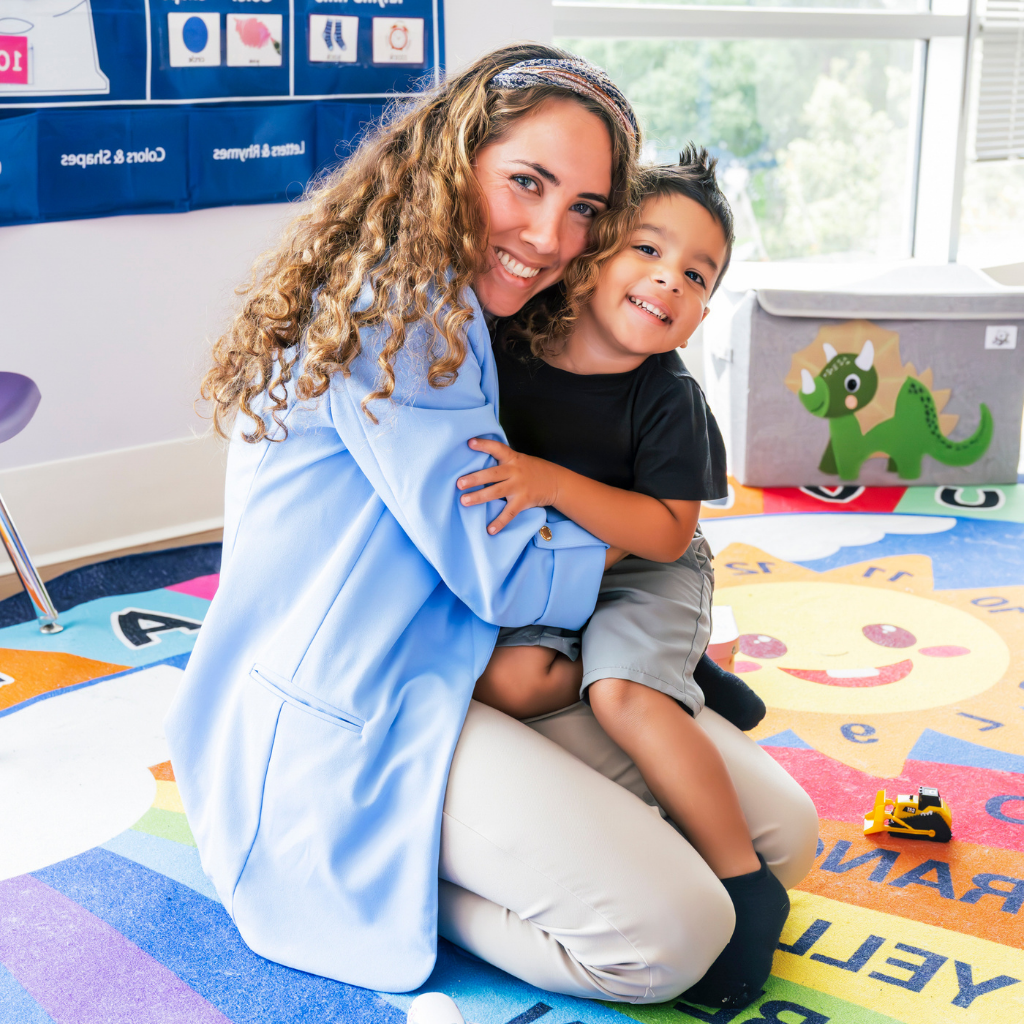
ABA Centers of Rhode Island provides center-based services at its Providence location and in-home ABA support across communities including Providence, Pawtucket, Cranston, Johnston, Woonsocket, Lincoln, Westerly, Exeter, and West Warwick.
For families considering early intervention with ABA, access close to home can make it easier to build therapy around everyday routines.
Whether you are researching autism therapy for young children after a diagnosis or are still unsure when to start ABA therapy, our team can help you understand the next steps.
ABA Centers of Rhode Island develops individualized ABA programs around each child’s strengths, needs, and goals. Contact ABA Centers of Rhode Island for a complimentary consultation or call (855) 922-4184 to learn more about early intervention with ABA and available services in Rhode Island.
Disclaimer: This article is for general education and is not a substitute for individualized clinical advice. Talk with your child’s pediatrician or a qualified provider about your child’s needs.