
Table of Contents
What Happens During an Autism Diagnosis in Young Children?
When a parent first notices differences in their child’s communication, social interactions, or behavior, it’s natural to have questions. Many families begin with developmental screenings or conversations with their pediatrician, but what happens next? Understanding the process of an autism diagnosis in young children can help parents feel more confident, informed, and prepared for the road ahead.
Receiving answers can bring relief, clarity, and access to resources that help children thrive. While every child develops differently, a professional evaluation provides valuable insight into their strengths, challenges, and support needs.
So, what happens during an autism diagnosis in young children?
Keep reading this blog by ABA Centers of Rhode Island and learn more about how an early autism diagnosis is properly implemented, and what to do next to help your child navigate their neurodivergence.
How Is Autism Diagnosed in Young Children?
An autism diagnosis in young children is not based on a single medical test. Instead, healthcare professionals gather information from multiple sources to understand a child’s developmental profile and determine whether they meet the criteria for autism spectrum disorder (ASD).
The process typically begins when parents, caregivers, teachers, or pediatricians notice developmental differences. These observations may lead to referrals for a more comprehensive assessment.
According to the National Library of Medicine, early identification enables children and families to access interventions and support sooner, potentially improving long-term developmental outcomes.
A thorough autism diagnosis in young children often includes:
- Developmental history reviews
- Parent interviews
- Direct observation of the child
- Standardized assessment tools
- Evaluation of communication, social interaction, and behavior patterns
The goal with this comprehensive approach is not to label a child, but to understand how they experience and interact with the world.
Why Early Autism Diagnosis Matters
For many parents, hearing the words “autism spectrum disorder” can feel overwhelming at first. However, an early autism diagnosis can open doors to services, educational supports, and therapies that help children build essential life skills.
Research consistently shows that an early diagnosis allows families to begin interventions during critical periods of brain development. Children who receive support earlier often have greater opportunities to strengthen communication, social, adaptive, and learning skills.
An early autism diagnosis can also reduce uncertainty for families. Rather than wondering why certain behaviors occur, parents gain a better understanding of their child’s needs and can make informed decisions about treatment options.
Importantly, every child with autism is unique. An early autism diagnosis is the starting point for individualized support.
What Are the Pillars of a Clinical Autism Diagnosis?
Professionals rely on established diagnostic criteria and evidence-based tools when making an autism diagnosis in young children.
According to the National Autistic Society, clinicians use diagnostic criteria outlined in the Diagnostic and Statistical Manual of Mental Disorders (DSM-5), alongside structured assessment tools, to evaluate differences in social communication and patterns of restricted or repetitive behaviors.
The key pillars typically include:

1. Developmental History
Parents provide information about milestones, communication development, social interactions, play skills, and behavioral patterns.
2. Clinical Observation
Specialists observe how a child communicates, responds to others, engages in play, and navigates different situations.
3. Standardized Assessment Tools
Clinicians may use validated instruments designed specifically for autism assessment. These tools help create a structured and objective evaluation process.
4. Multidisciplinary Collaboration
An autism diagnosis in young children may involve developmental pediatricians, psychologists, neurologists, speech-language pathologists, or other specialists working together to gain a comprehensive understanding of the child.
These components help ensure that an autism diagnosis in young children is accurate and individualized.
Can a General Pediatrician Officially Diagnose Autism?
In some cases, yes.
Certain pediatricians with specialized developmental training may diagnose autism, particularly when symptoms are clear and consistent with established criteria.
However, many families are referred to developmental pediatricians, child psychologists, neurologists, or specialized diagnostic teams for a comprehensive evaluation.
According to experts, autism assessments often involve multiple professionals who review developmental history, conduct observations, and use standardized diagnostic measures to determine whether a child meets ASD criteria.
If your child’s pediatrician recommends additional testing, it does not necessarily mean something is wrong. It simply means more information is needed to make the most accurate determination possible.
How Do Doctors Tell the Difference Between Autism and a Developmental Delay?
This is one of the most common concerns parents have when seeking an autism evaluation for toddlers.
While developmental delays and autism may share certain characteristics, they are not the same thing.
For example, a child with a language delay may struggle to communicate but still demonstrate strong social engagement, eye contact, and interest in interacting with others.
In contrast, during an autism evaluation for toddlers, clinicians look for patterns involving both social communication differences and restricted or repetitive behaviors.
An autism evaluation for toddlers considers:
- Communication skills
- Social reciprocity
- Play behaviors
- Sensory responses
- Repetitive movements or interests
- Adaptive functioning
The purpose of an autism evaluation for toddlers is not simply to identify delays but to understand the underlying developmental profile driving those differences.
Because many developmental conditions can appear similar in early childhood, a comprehensive autism evaluation for toddlers is essential for reaching an accurate diagnosis.
What Happens During an Autism Evaluation for Toddlers?

Many parents feel nervous before an autism evaluation for toddlers, especially if they are unsure what to expect.
Fortunately, evaluations are designed to be child-friendly and informative rather than intimidating.
During an autism evaluation for toddlers, professionals may:
- Ask detailed questions about development and family history
- Observe social interactions and play
- Assess language and communication skills
- Evaluate adaptive and daily living skills
- Review previous medical or educational records
According to Autism Speaks, the process may vary based on the child’s age and developmental needs, but comprehensive assessments are designed to gather a complete picture of the child’s functioning across multiple areas.
An autism evaluation for toddlers helps clinicians identify strengths and challenges, allowing families to receive recommendations tailored to their child’s needs.
What Happens After an Autism Diagnosis?
An early autism diagnosis is often the beginning of a family’s support journey, not the end of it.
After receiving a diagnosis, families may gain access to:
- ABA therapy
- Speech therapy
- Occupational therapy
- School-based services
- Parent training programs
- Community support resources
Many parents report that an early autism diagnosis provides clarity and direction, helping them better understand how to support their child’s growth and development.
How ABA Therapy Helps Children with Autism Build Confidence and Independence
Following an autism diagnosis in young children, many families explore Applied Behavior Analysis (ABA) therapy as part of their child’s care plan.
ABA therapy focuses on teaching meaningful skills that help children become more independent and successful in everyday life. Programs are individualized and may target:
- Communication
- Social interaction
- Self-help skills
- Emotional regulation
- Play
- Adaptive behaviors
Rather than changing who a child is, ABA therapy aims to build on strengths while helping them develop practical skills that support greater confidence and participation in home, school, and community settings.
With the right support, many children with autism continue to learn, grow, and reach important milestones at their own pace.
Take the Next Step with ABA Centers of Rhode Island
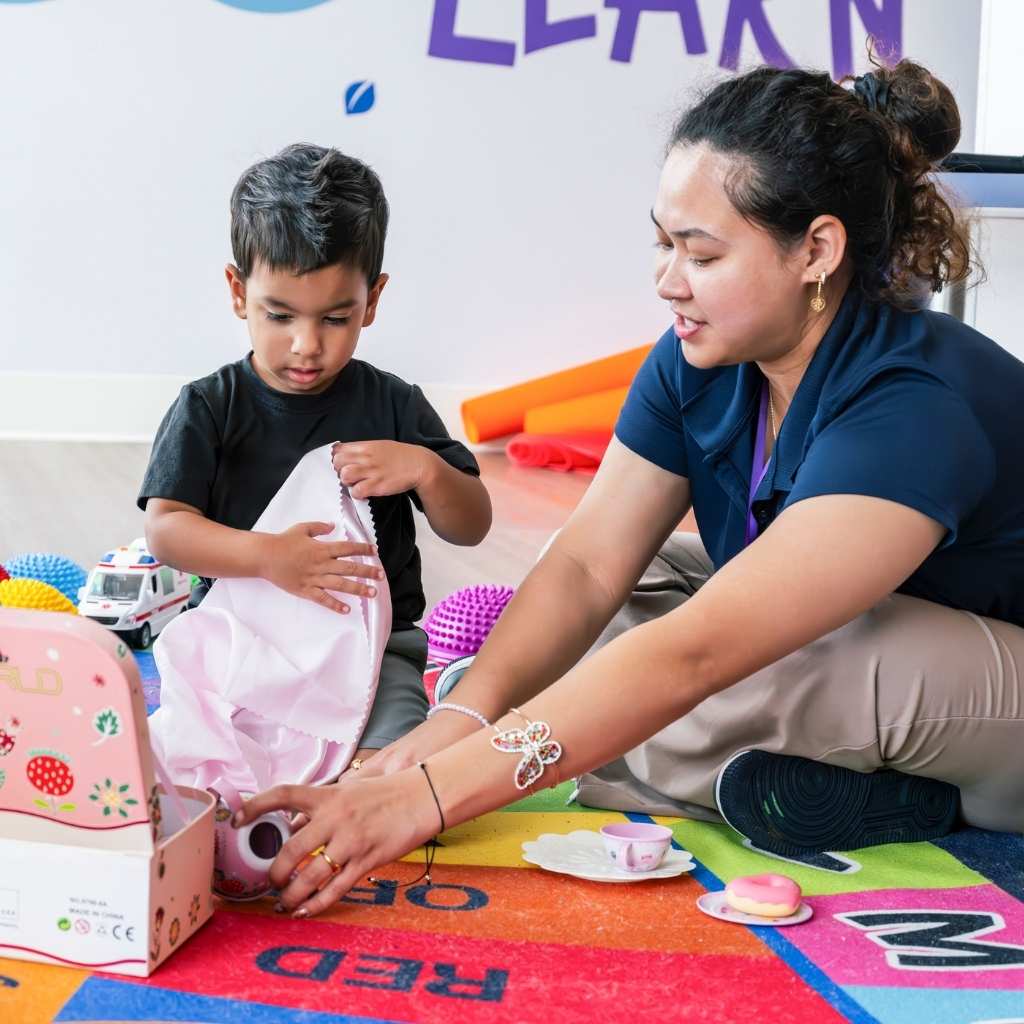
At ABA Centers of Rhode Island, our team understands how emotional and overwhelming the diagnostic journey can feel. Whether you’re exploring an early autism diagnosis, seeking an autism evaluation for toddlers, or looking for therapy services after a diagnosis, we’re here to help.
Contact ABA Centers of Rhode Island today to learn more or schedule a consultation by clicking here or by calling us at (855) 922-4184.
Together, we can help determine the best path forward for your child and provide the support your family deserves.