
What Is ABA Therapy for Toddlers?
ABA therapy for toddlers is a structured yet flexible approach that draws on the science of learning and behavior to help young children develop meaningful everyday skills. For a toddler, this rarely looks like sitting at a table for long periods. Instead, ABA often happens through play, movement, routines, songs, toys, snacks, and real-life interactions.
A therapist may help a child learn to ask for help, point to a preferred item, tolerate a short wait, follow a simple direction, imitate sounds or actions, or transition between activities with less distress. These goals may seem small at first, but for a toddler with autism, they can open the door to more communication, more independence, and fewer moments of frustration.
In a high-quality ABA program, the plan is individualized. A Board Certified Behavior Analyst, or BCBA, evaluates the child’s current skills, observes what motivates them, and creates goals based on their developmental needs. The care team then tracks progress and adjusts strategies as the child learns.
For Rhode Island families, this individualized approach is especially important because every home routine looks different. A toddler in a busy Providence household, a child attending daycare in Warwick, or a family balancing multiple appointments across the state may all need support that fits real life.
Why ABA Therapy for Toddlers with Autism Can Start Early

Early childhood is a period of rapid learning. ABA Therapy for toddlers with autism is designed to support children during the toddler years, when they are developing foundational skills for communication, relationships, play, self-care, and participation in preschool or community settings.
Research continues to support early intervention for young children with autism, while also reminding providers that therapy should be individualized and responsive to each child. A systematic review and meta-analysis published in the Journal of Clinical Medicine found that early interventions for toddlers with autism can support gains in cognitive abilities, daily living skills, and motor development. The Journal of the American Academy of Pediatrics also discusses how early intensive behavioral and developmental interventions may help them improve language, cognition, and social development.
This does not mean every toddler needs the same therapy schedule or the same goals. It means early support gives families and clinicians a chance to work on skills while the child is actively developing the building blocks for learning.
For parents, early ABA therapy for toddlers with autism is not about changing who their child is. It is about helping the child communicate needs, feel safer in routines, participate more comfortably in daily life, and reduce behaviors that may come from frustration or limited communication.
Toddlers and Autism: Signs That May Lead Families to Seek Support
Parents often notice developmental differences before they have a formal way to describe them. Some toddlers with autism may speak very little, lose words they once used, avoid certain types of play, become distressed by changes, or seem highly focused on specific objects or routines.
Other signs may include:
Communication Differences
A toddler may not use gestures often, may not point to show interest, may not respond consistently when called, or may rely on crying, pulling, or reaching instead of words or signs. ABA therapy can help by teaching functional communication, providing the child with a clearer, more reliable way to express wants, needs, discomfort, or refusal.

Big Reactions to Everyday Routines
Transitions, mealtime, dressing, toothbrushing, car rides, and bedtime can become stressful for the whole family. In ABA therapy, these routines can become teaching opportunities. The goal is not to force a toddler through distress but to build tolerance, predictability, and step-by-step success.
What Happens During a Session of ABA Therapy for Toddlers?
ABA therapy begins with understanding the child. Before treatment goals are created, the clinical team assesses how the toddler communicates, plays, responds to adults, handles change, and engages with their environment.
From there, therapy may include several practical strategies, such as:
Positive Reinforcement
Positive reinforcement means encouraging a skill by making the outcome meaningful for the child. For one toddler, that might be praise and bubbles. For another, it might be a favorite toy, a song, a snack, or a chance to keep playing. The therapist uses motivation to help learning feel rewarding.
Natural Environment Teaching
Natural Environment Teaching uses everyday moments to practice skills. A therapist might help a child request “more” during snack time, practice turn-taking with a toy car, or follow a direction while cleaning up blocks. This approach can be especially helpful for toddlers, as learning occurs in real life.
Prompting and Prompt Fading
Some children need help at first. A therapist may model a word, gesture, sign, or action, then gradually reduce that help as the child becomes more independent. This process is called prompt fading, and it is important because the goal is not dependence on the therapist. The goal is for the child to use the skill more naturally over time.
Data-Guided Decisions
ABA therapy tracks progress. The team collects information during sessions so the BCBA can see whether a strategy is working. If a child is not progressing, the plan should be adjusted. This is one reason ABA can be highly individualized rather than guesswork-based.

5 Skills Supported by ABA Therapy for Toddlers with Autism
For toddlers with autism, ABA therapy often focuses on foundational skills that affect daily life at home, in daycare, and in the community.
Common goals may include:
Communication
This can include spoken words, gestures, signs, picture-based communication, or other communication tools. The first goal is often simple but powerful: helping the child express what they need before frustration builds.
Learning Readiness
A toddler may practice sitting briefly for an activity, looking toward a speaker, imitating an action, matching objects, or following one-step directions. These skills can support future learning in preschool and other settings.
Play Skills
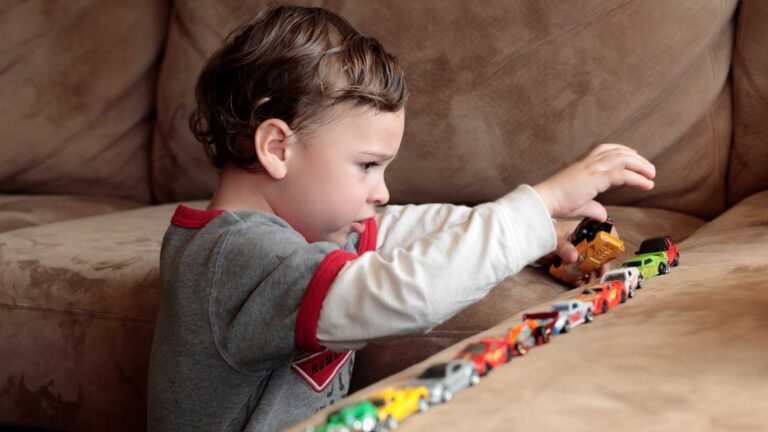
Play is not just fun; it is how toddlers learn. ABA can help children expand play beyond repetitive patterns, engage with toys in new ways, and include caregivers or peers in simple interactions.
Daily Living Skills
ABA may support routines such as washing hands, getting dressed, brushing teeth, eating new foods, or cleaning up after play. For parents, progress in these areas can make daily life feel less stressful and more predictable.
Emotional Regulation and Safer Behavior
Some behaviors happen because a child cannot yet communicate, is overwhelmed, or does not know how to respond. ABA examines why a behavior occurs and teaches safer, more functional alternatives.
The Role of Parents in Early ABA Therapy
Parents and caregivers are central to toddler ABA therapy. A child’s therapy team may work with them for several hours a week, but families are present for the daily routines where skills matter most.
Parent involvement may include learning to respond consistently, encouraging communication, supporting transitions, and using reinforcement in natural ways. This should feel supportive, not blaming. Families should not be expected to become therapists overnight. Instead, parent guidance should help caregivers feel more confident during real moments, such as getting out the door, preparing dinner, or managing a difficult bedtime.
Research has also examined parent-mediated and early intensive ABA-based interventions, including their potential benefits, limitations, and cost-effectiveness. A review from the NIHR Journals Library highlights the importance of understanding both clinical outcomes and the practical realities of intervention models for autistic children and families.
For Rhode Island parents, this partnership can be especially valuable when coordinating care across pediatricians, early intervention providers, daycare programs, diagnostic evaluations, and therapy services.

Choosing ABA Therapy in Rhode Island: What Families Should Look For
When comparing ABA options in Rhode Island, families should feel comfortable asking direct questions. A strong provider should be able to explain the treatment plan clearly, involve parents, and adjust therapy based on the child’s progress.
Important questions include:
Who Designs and Supervises the Plan?
A BCBA should assess the child, create goals, supervise the care team, review data, and make clinical updates.
Is Therapy Individualized?
A toddler’s plan should reflect their communication level, sensory needs, strengths, family routines, and developmental stage.
How Are Parents Included?
Parent training should be practical and respectful. Families should understand what is being taught and how to support the same skills at home.
How Is Progress Measured?
The team should collect data and explain progress in clear, parent-friendly language.
Does the Environment Feel Supportive?
For toddlers with autism, therapy should be warm, engaging, and developmentally appropriate. The child should have opportunities for play, connection, movement, and breaks when needed.
How ABA Centers of Rhode Island Supports Families
ABA Centers of Rhode Island helps families navigate autism care with clarity and compassion. For many parents, the hardest part is not caring for their child; it is figuring out where to start. Between developmental concerns, insurance questions, evaluations, therapy options, and waitlists, the process can feel heavy.
A supportive ABA team can help families understand what ABA therapy may look like for their toddler, what goals may be appropriate, and how early intervention can support communication, daily routines, and family life.
For families across Rhode Island, the goal is not a one-size-fits-all plan. The goal is individualized care that respects the child, supports the family, and focuses on meaningful progress.
Taking the Next Step
If your toddler has an autism diagnosis, is showing developmental differences, or you are still trying to understand what support they may need, you do not have to sort through the next steps alone.
ABA therapy for toddlers with autism can help children build communication, play, daily living, and learning-readiness skills during an important developmental window. With the right clinical guidance, families can move from uncertainty to a clearer plan.
To learn more or schedule a consultation, contact ABA Centers of Rhode Island at (855) 922-4184 or via our website.